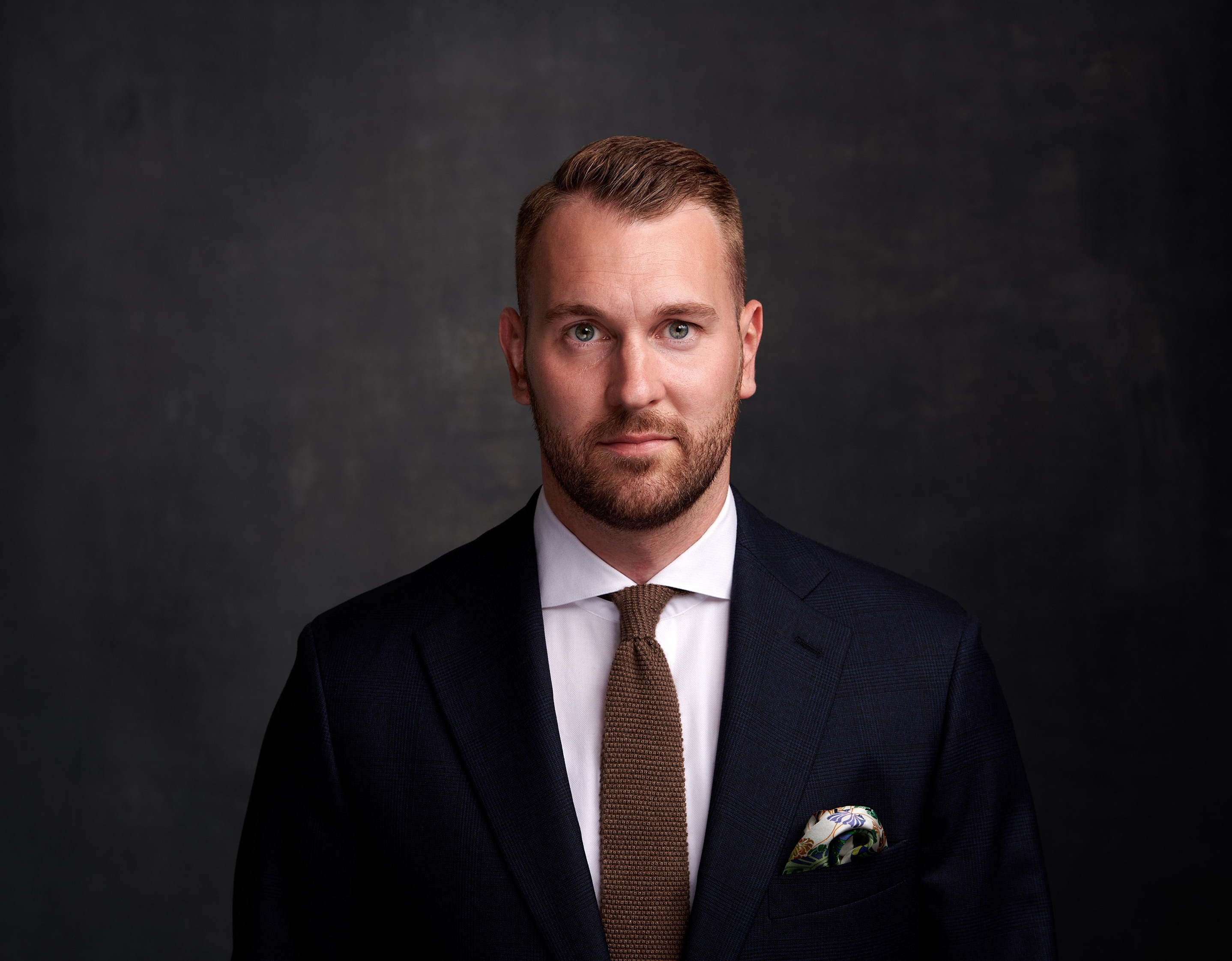
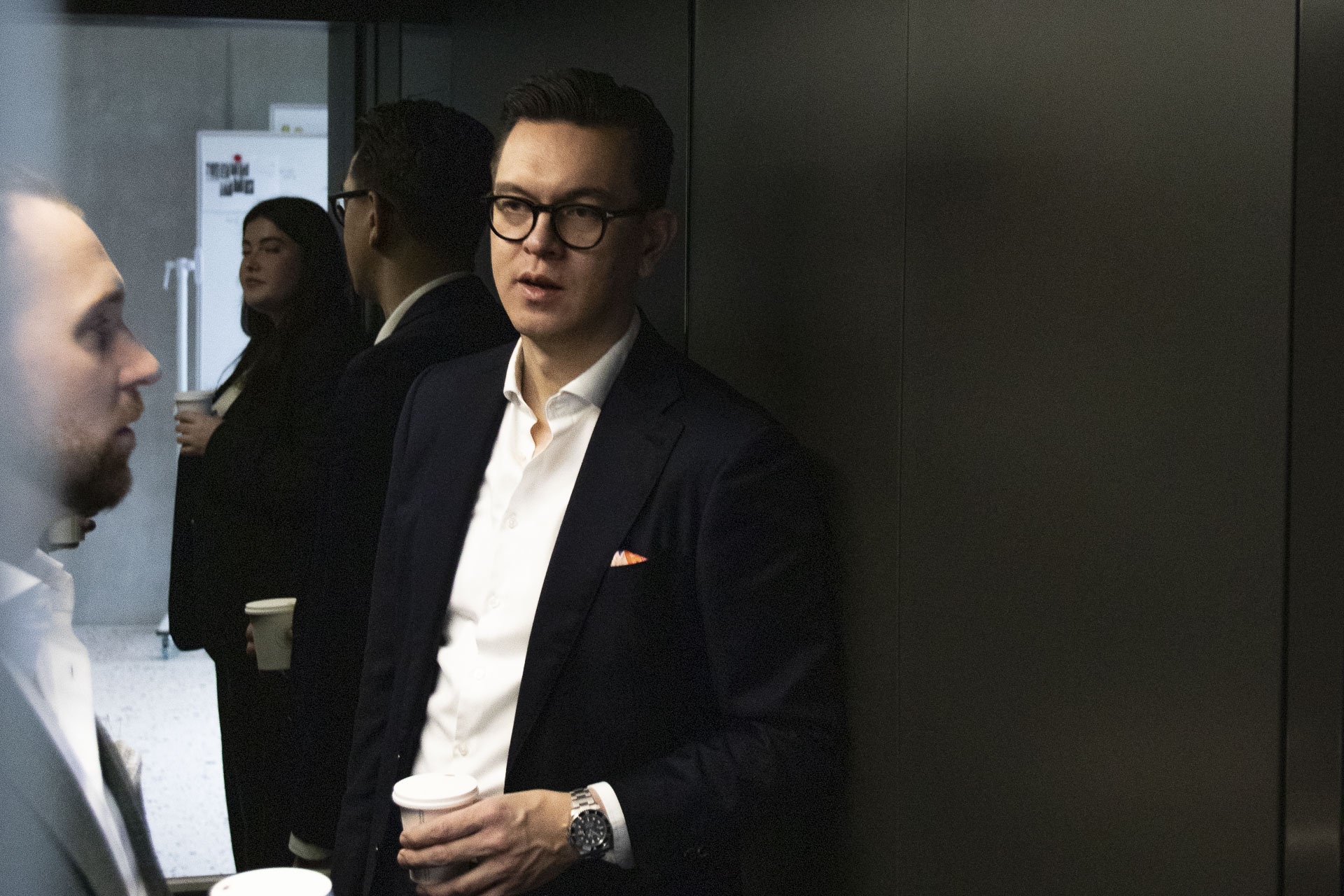
"The market does not wait. Neither do we."
Maximilian Eckertz is Managing Consultant at Schuckart Consulting and one of the most experienced headhunters for sales positions in medical technology in the DACH region. In this interview, he talks about the talent shortage, complex hiring processes and why the best candidates are never actively looking for a new job.
Getting Started: Seven Years in MedTech Recruiting
Max, you have been specialising in placing sales professionals in medical technology for over seven years. What drew you to this niche?
Medical technology is a field where sales actually means something. It is not about moving a product. It is about bringing a solution into a highly regulated clinical environment, where the people making the decisions are directly affecting patient outcomes. That demands a completely different kind of sales professional compared to most other industries. Finding people who genuinely combine technical understanding, empathy and the ability to close deals, that is a challenge I find just as compelling today as I did at the start.
After seven years, I have developed a strong sense of how sales personalities in this space think and what drives them. I have placed a wide range of profiles, from account managers in dental field sales all the way to managing directors at international MedTech companies. That breadth matters. When you know what separates a good key account manager from an outstanding one, you ask better questions in the briefing and you find better candidates at the end.
The Market: Tighter Than Most People Realise
How would you describe the current job market for sales positions in medical technology?
The pressure is real and it is growing. The industry is expanding. New product lines, new market segments, new regulatory requirements following the MDR reform. But the available talent pool is not growing at the same pace. If you are looking for an experienced Regional Sales Manager in orthopaedics today, or a Head of Sales for a dental business, you might find ten qualified candidates across the whole market. Three of them are passively open, but not actively looking. Our job is to find exactly those people and get them excited about the right opportunity.
"90 percent of the candidates we place had not been actively looking for a new role before we reached out. They were found. Not the other way around."
What makes hiring in medical technology so much more complex than in other sectors?
Three things. First, regulation. Since the MDR reform, sales professionals need to know significantly more about product approvals, documentation requirements and clinical data. That rules out a large part of the general sales talent pool. Second, subsegmentation. Dental is not orthopaedics, orthopaedics is not cardiology. Someone who has spent ten years selling implants does not automatically fit into the OR environment. Third, networks. In many subsegments, everyone knows everyone. Reputation matters, and it cuts both ways.
Which positions are hardest to fill right now?
Regional Sales Manager and Head of Sales have been the most challenging profiles for years. These roles require people who can lead a team, carry revenue responsibility and still stay active in the market themselves. That combination is genuinely rare. On top of that, demand for Business Development Managers has grown sharply. Companies want people who can build new product lines or market segments from scratch. That is a fundamentally different profile from classic key account management.
Executive Search: Process and Standards
How does your approach as a headhunter for medical technology differ from conventional recruiting methods?
The core difference is who you can actually reach. A job posting only reaches people who are actively looking. In MedTech sales, that is a small minority. Executive search means going directly to the people we believe are the right fit. Discreetly, personally and with real market knowledge. That requires a strong network and a genuine willingness to understand what a company is looking for and why.
What does your process look like in practice?
It always starts with a thorough briefing. Not reviewing a job description together, but a real conversation. I want to understand why the role is open, how the team is structured, what makes this position different from similar ones at competitors. From there I build a target company list and start direct outreach. Before I present anyone, I have at least two in-depth conversations with the candidate. My clients should be making decisions, not doing pre-screening.
"I have at least two in-depth conversations before I put someone forward. Quality over quantity is not a slogan. It is the only approach that works over time."
You offer two recruitment models. When do you recommend which?
I recommend the retained search whenever discretion, speed or the strategic importance of the role is particularly high. For example, when replacing an existing leader or filling a newly created key position in a narrow market. In this model we work with the highest priority, build a target company list and use personality diagnostics and cultural fit analysis. For positions with a broader candidate base, success-based placement can be the more economical starting point.
What Makes an Outstanding MedTech Sales Profile
You have assessed thousands of sales profiles in medical technology throughout your career. What separates a good candidate from a truly exceptional one?
The exceptional candidate knows their market better than their own CRM. They know which hospital is going through a generational shift in its surgical team. They know the framework contract structure of their most important purchasing groups. They know which independent dentist is planning a practice expansion. That market intelligence, combined with genuine product expertise, real closing ability and the capacity to communicate at eye level with surgeons and managing directors, that is the combination companies are looking for. And it is rarely easy to find.
What mistakes do companies make most often when recruiting for MedTech sales roles?
The most common one is starting too late. By the time a key position becomes vacant, the damage to the sales structure has often already been done. Smart companies think about talent pipelines before they need them. The second mistake is overly rigid requirement profiles. I regularly see job descriptions that describe a candidate who simply does not exist in the market as specified. A good briefing helps separate must-haves from wishlist items. The third mistake is underestimating cultural fit. Plenty of candidates tick the technical boxes. Whether someone actually belongs in the team and fits the company culture is what determines long-term retention.
Outlook: MedTech Recruiting in 2026 and Beyond
What changes are you observing in recruiting for the medical technology sector right now?
Two developments stand out. First, the pressure on efficiency and speed. Companies no longer tolerate long hiring timelines. They want clear schedules, transparent communication and genuine reliability throughout the process. Second, a noticeably stronger focus on retention. Many companies have had difficult experiences with high turnover in field sales in recent years. That has shifted the mindset. It is no longer just about filling the role. It is about filling it in a way that lasts.
Which skills will become more important in MedTech sales over the next few years?
Digital sales enablement is becoming non-negotiable. CRM discipline, data-driven prioritisation, professional virtual communication. Anyone who cannot do this fluently will fall behind. At the same time, and this is not a contradiction, relationship skills are becoming more valuable. In medical technology, nobody buys a product from someone they do not trust as a person. That applies to surgeons just as much as to procurement managers at large hospital groups.
One final piece of advice for companies currently trying to fill a sales position in medical technology?
Start earlier than you think you need to. The market is tight. The best profiles will not be available tomorrow. Work with a headhunter who genuinely knows the sector, has real relationships with the relevant candidates and will tell you honestly what is realistic and what is not. And invest time in a proper briefing. The clearer you are about who you are looking for, the faster and more accurate the whole process becomes.
About Maximilian Eckertz
Managing Consultant | Executive Search Medical Technology and Healthcare
Maximilian Eckertz has specialised in placing professionals in sales roles within medical technology for over seven years. With experience from leading German executive search firms and an established network across the dental sector, medical technology and healthcare, he works with clients across the DACH region at Schuckart Consulting.
Focus positions: Managing Director · Head of Sales · Regional Sales Manager · Business Development Manager · Key Account Manager · Sales Manager · Area Sales Manager · Account Manager · Operations Manager
☎ +49 162 252 3608 · ✉ me@schuckart-consulting.de · schuckart-consulting.de